
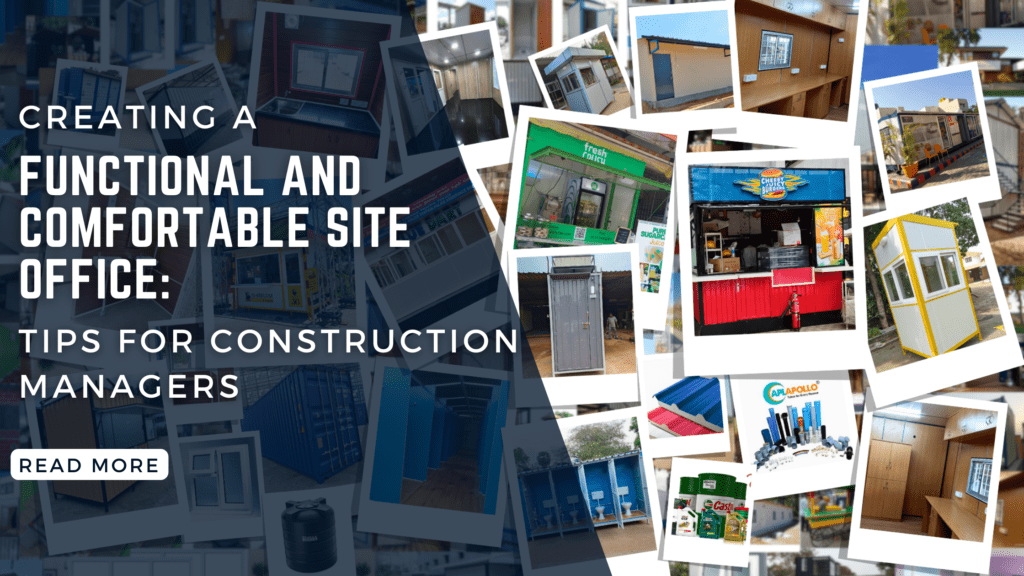
In the world of construction, the “site” is often viewed through the lens of heavy machinery, raw materials, and structural progress. However, there is one small but vital patch of the project that dictates the success of everything else: the site office.
For a construction manager, this office is more than just a place to escape the sun. It is a high-pressure hub where billion-rupee decisions are made, schedules are balanced, and safety crises are averted. Yet, all too often, site offices are afterthoughts—cramped, overheating, and disorganized.
If you want a project that finishes on time and a team that stays motivated, you must treat your office design with the same precision as your building’s foundation. Here is how to create a site office that balances functionality with the comfort your team deserves.
1. Prioritize Physical Flow and Layout
A functional office is one where movement is logical. If your engineers have to climb over boxes of samples to get to the printer, you are losing minutes of productivity every hour.
- The “Zone” System: Divide the space into distinct zones. Create a Dirty Zone near the entrance for boots and vests, a Collaboration Zone in the center for team huddles, and Deep Work Zones at the back for focused tasks like cost estimation.
- Clear Walkways: Even in a small portable cabin, keep a minimum of 3 feet of clear walking space. A cluttered floor isn’t just a productivity killer; it’s a trip hazard.
- The Power of Proximity: Place the printer, plotter, and coffee machine in a central location. These are the three most visited spots in any site office.
2. Master the “Chennai Climate” Control
In regions where the heat can be unforgiving, comfort is not a luxury—it is a physiological necessity for decision-making. High temperatures lead to fatigue and increased error rates.
- Insulation is Non-Negotiable: If you are using metal containers, ensure they are lined with high-quality thermal insulation.
- Cross-Ventilation: While air conditioning is standard, the ability to have cross-ventilation during the cooler morning hours can keep the air fresh and reduce the “stuffy” feeling typical of modular units.
- AC Maintenance: Set a monthly schedule to clean AC filters. Construction dust clogs units faster than residential environments, leading to breakdowns when you need cooling the most.
3. Invest in Ergonomics for Long Hours
Construction managers often work 10-to-12-hour shifts. Sitting on a cheap plastic chair for that long is a recipe for chronic back pain and decreased morale.
- Adjustable Seating: Provide chairs with lumbar support and adjustable heights.
- Standing Desks: Consider at least one “standing height” counter. It’s perfect for quick drawing reviews and gives staff a break from sitting.
- Monitor Placement: Ensure that laptop users have external monitors set at eye level. Looking down at a screen all day causes “tech neck,” which leads to tension headaches.
4. Digital and Physical Organization
A disorganized office reflects a disorganized project. Use these tips to keep the “paper trail” under control:
- The “Plan Table” Standard: Every site office needs a dedicated flat surface for blueprints. Avoid using this table for coffee mugs or laptops; keep it strictly for drawings.
- Vertical Storage: Space is at a premium in a site office. Use wall-mounted racks for safety helmets and vertical filing cabinets for project documentation.
- Cable Management: With multiple laptops, chargers, and printers, cables can quickly become a “spaghetti mess.” Use cable ties and under-desk trays to keep wires off the floor.
Quick Checklist: The “Productive Office” Essentials
| Feature | Why it Matters | Tip |
| Acoustics | Reduces site noise distraction | Use soft pin-boards on walls to absorb sound. |
| Lighting | Prevents eye strain | Combine overhead LEDs with dedicated desk lamps. |
| Hydration | Maintains energy levels | Place a water dispenser within 10 feet of desks. |
| First Aid | Essential safety | Keep the kit visible and near the main exit. |
5. Lighting: The Silent Productivity Booster
Dark, dingy offices lead to lethargy. Since site offices are often narrow, natural light doesn’t always reach the center.
- Cool White LEDs: These mimic daylight and help keep the brain alert. Avoid “warm yellow” lights which are better suited for bedrooms than boardrooms.
- Task Lighting: Give each workstation its own light source. This allows individuals to adjust their environment without affecting the whole room.
- Window Placement: Position desks so that windows are to the side of the monitors to prevent screen glare.
6. Technology and Connectivity
If the internet goes down, the site often slows down. Your office needs to be a robust tech hub.
- Redundant Internet: Have a primary high-speed fiber line and a secondary 5G hotspot backup.
- Charging Stations: Create a dedicated “charging dock” near the door for two-way radios and drone batteries. This keeps the main desks clear of clutter.
- Digital Signage: Use a large TV screen to display the real-time project dashboard, weather alerts, or the “Days Since Last Incident” counter.
7. Managing Noise and Dust
You are in a construction zone, but your office shouldn’t feel like one.
- Double Glazing: If the budget allows, double-glazed windows significantly reduce the decibel levels from heavy machinery outside.
- Air Purifiers: A small investment in an air purifier can remove the fine particulate matter (PM2.5) that inevitably drifts into the office, protecting the respiratory health of your management team.
- Acoustic Panels: Simple foam panels or even cork-boards can dampen the echo inside a metal cabin, making phone calls and meetings much clearer.
8. The “Welfare” Corner
Never underestimate the power of a good cup of tea or a clean place to eat.
- Designated Eating Area: Encourage staff to eat away from their desks. It protects the computers from spills and gives the brain a much-needed “micro-break.”
- The “Victory Wall”: Dedicate a small space to post photos of project milestones. It builds a sense of pride and community among the staff who are often working under high stress.
Conclusion
A site office is the heartbeat of any construction project. When a construction manager focuses on creating a space that is functional, organized, and comfortable, they aren’t just “buying furniture”—they are investing in the mental clarity and health of their team. A well-designed office reduces turnover, prevents expensive errors, and ensures that when the pressure is on, the “brain” of the project is operating at 100% capacity.
Efficiency on the field starts with excellence in the office. Whether you are setting up your first portable cabin or managing a multi-story modular complex, remember that the quality of your workspace dictates the quality of your work.
At Alpha Enterprises Chennai, we believe that every successful build starts with the right foundation—both in terms of materials and infrastructure. We are proud to support construction managers across the region by providing the essential supplies and expertise needed to turn a challenging site into a productive masterpiece. From the first brick to the final office chair, we are your partners in building a better future.