
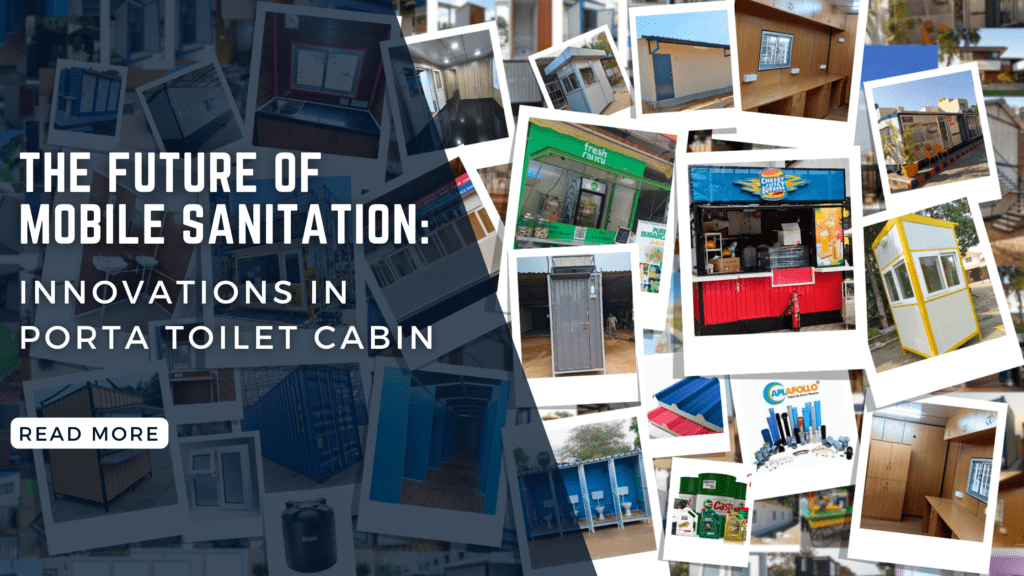
The landscape of public sanitation is undergoing a radical transformation. Gone are the days when a “portable toilet” was merely a cramped, plastic box hidden in a remote corner of a construction site. As we move through 2026, the industry has shifted toward high-tech, sustainable, and user-centric designs. From smart sensors to eco-friendly waste processing, the future of mobile sanitation is focused on dignity, hygiene, and environmental responsibility.
In this post, we explore the cutting-edge innovations that are redefining the porta toilet cabin and why these advancements are essential for modern urban planning, event management, and industrial growth.
1. The Integration of Smart Technology (IoT)
The most significant leap in mobile sanitation is the adoption of the Internet of Things (IoT). Modern toilet cabins are no longer “passive” units; they are smart systems that communicate with service providers in real-time.
- Occupancy & Usage Monitoring: Sensors now track how many people use a unit, allowing facilities managers to schedule cleaning based on actual demand rather than arbitrary timelines.
- Waste Level Alerts: Ultrasonic sensors monitor tank levels and send automated alerts to service teams when a pump-out is required. This prevents the “overflow” scenarios that have historically given portable toilets a bad reputation.
- Automated Maintenance Logs: Digital systems allow janitorial staff to “tap in” and log cleaning activities, providing clients with transparent data on hygiene standards.
2. Sustainable and Eco-Friendly Solutions
With global focus shifting toward carbon neutrality, the sanitation industry is pivoting away from harsh chemicals and high water usage.
- Solar-Powered Units: Many modern cabins now feature rooftop solar panels. This energy powers internal LED lighting, exhaust fans for ventilation, and even touchless sensor taps, making the units entirely off-grid and energy-independent.
- Waterless & Low-Flow Systems: Innovative vacuum technology—similar to what is used in aircraft—can reduce water consumption.
- Bio-Digester Technology: Instead of simply storing waste, new-age “Bio-Toilets” use anaerobic bacteria to break down human waste into water and biogas. This eliminates odors and reduces the frequency of sewage disposal trips, significantly lowering the carbon footprint.
3. Material Science: Durability Meets Hygiene
The “shell” of the toilet cabin has evolved. Manufacturers are moving beyond basic polyethylene to more advanced materials that offer better insulation and hygiene.
- PUF Panel Toilets: Polyurethane Foam (PUF) panels provide excellent thermal insulation. In a tropical climate like Chennai, this ensures the interior remains significantly cooler than the outside temperature, enhancing user comfort.
- Antimicrobial Surfaces: Interior walls and high-touch areas are now being treated with silver-ion coatings or antimicrobial plastics that actively inhibit the growth of bacteria and viruses.
- FRP and PPGI: Fiberglass Reinforced Plastic (FRP) and Pre-Painted Galvanized Iron (PPGI) are becoming the standard for long-term durability. These materials are rust-resistant, easy to pressure-wash, and capable of withstanding harsh weather conditions.
4. User-Centric Design and Luxury Features
The “Premiumization” of portable toilets is a major trend for 2026. Whether it’s a high-end wedding or a corporate outdoor event, users now expect a “restroom” experience, not just a “porta-potty” experience.
- Climate Control: Luxury mobile cabins now come equipped with compact air conditioning units, essential for high-end events in humid regions.
- Touchless Amenities: To minimize cross-contamination, modern units feature foot-pedal flushes, sensor-based hand washes, and automatic soap dispensers.
- Aesthetic Interiors: LED mirrors, faux-wood flooring, and stylish vanities are turning mobile cabins into sophisticated spaces that blend seamlessly with upscale event decor.
5. Accessibility and Inclusivity
The future of sanitation is inclusive. Innovations in modular design have made it easier to deploy ADA-compliant (Americans with Disabilities Act) or globally accessible units. These cabins feature wider doorways, reinforced grab bars, and low-profile floor designs that allow for easy wheelchair entry without the need for bulky ramps.
Conclusion: Why Innovation Matters
The evolution of the porta toilet cabin is about more than just convenience; it is a critical component of public health and environmental stewardship. As cities expand and outdoor activities become more frequent, the demand for high-quality, reliable, and “smart” sanitation will only continue to rise.
By investing in technology like solar power, bio-digesters, and IoT monitoring, we are moving toward a world where temporary sanitation is as clean and efficient as permanent infrastructure. For businesses and event organizers, choosing a partner that understands these innovations is the key to providing a safe and respectful environment for everyone.
At Alpha Enterprises Chennai, we are at the forefront of this revolution. We specialize in manufacturing and supplying next-generation toilet cabins that prioritize hygiene, durability, and modern engineering. Whether you need a simple site office unit or a luxury event restroom, our solutions are designed to meet the highest standards of the future.